



Knowledge Base
What is a pump, how many types are there, and how do you choose the right one for the job? Find everything you need in one article.
What is a Pump?
A Pump is a mechanical device used to move liquids or gases from one point to another by using mechanical energy to create pressure or suction. Pumps are considered the heart of various systems in the industry, whether in factories, hospitals, research facilities, or laboratories.
Choosing an unsuitable pump for a task can lead to system damage, higher maintenance costs, and unnecessary downtime. This article will help you understand the different types of industrial pumps, their working principles, and the correct criteria for selecting them.
Types of Pumps Used in Industry and Labs
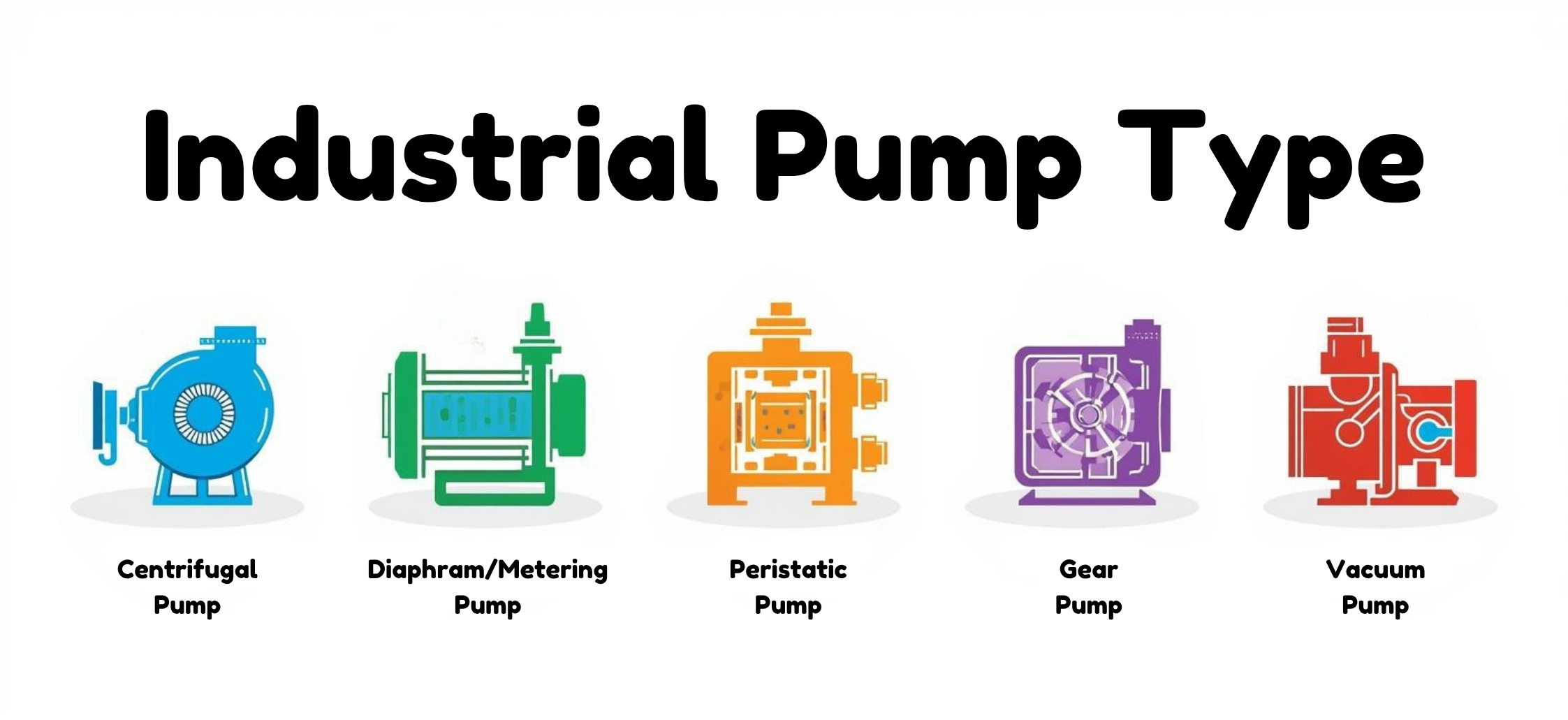
Generally, pumps can be divided into 2 main groups: Dynamic Pumps and Positive Displacement Pumps. Each group has sub-types suited for different applications as follows:
Utilizes centrifugal force from a rotating impeller to increase the velocity and pressure of the fluid. Ideal for low-viscosity liquids and applications requiring a high flow rate. It is the most commonly found industrial pump in factories worldwide.
Operates using a flexible diaphragm that expands and contracts to draw in and push out liquid. With no internal parts directly touching the fluid, it is perfect for hazardous chemicals or tasks demanding high cleanliness. It offers precise flow rate control, making it ideal for Chemical Dosing in labs and factories.
Works by sequentially squeezing flexible tubing to propel the fluid forward. The fluid only contacts the inside of the tube, ensuring zero contamination from other pump components. It is perfectly suited for applications requiring high-level hygiene in laboratories, Biotech, and Pharmaceuticals.
Uses two counter-rotating gears to suction and discharge fluid. It provides a steady flow rate and constant pressure, making it ideal for highly viscous liquids like oils, fats, or polymers—tasks that a Centrifugal Pump cannot handle.
Functions by extracting gas or air from a closed system to create sub-atmospheric pressure. Widely used in lab applications for filtration, distillation, and solvent evaporation. It is an indispensable lab pump in research laboratories.
Pump Comparison Table
| Pump Type | Flow Rate | Fluid Viscosity | Accuracy | Primary Applications |
|---|---|---|---|---|
| Centrifugal Pump | ● Very High | Low | ● Medium | General industry, Cooling water, HVAC |
| Diaphragm Pump | ● Low–Medium | Low–High | ● High | Chemical dosing, Water treatment |
| Peristaltic Pump | ● Low–Medium | Low–Medium | ● Very High | Biotech, Pharma, Research labs |
| Gear Pump | ● Medium | Very High | ● Medium | Hydraulics, Oils, Polymers |
| Vacuum Pump | — | Gas / Vapor | ● Varies by model | Filtration, Evaporation, Research labs |
How to Choose the Right Pump
To properly select an industrial pump or a lab pump, you should always consider the following factors:
- Identify the Type and Viscosity of the fluid to be pumped — this is the most critical first step.
- Determine the required Flow Rate (e.g., L/hr or m³/hr).
- Check if the fluid is acidic, alkaline, or corrosive to select the appropriate pump materials.
- For tasks requiring dosing accuracy, always opt for a Diaphragm or Peristaltic Pump.
- If you need Zero contamination (e.g., in Biotech or Pharma), choose a Peristaltic Pump exclusively.
- Consider long-term maintenance costs, not just the initial purchase price.
Frequently Asked Questions (FAQ)
Tell us about the fluid type and application, and we’ll help you choose the perfect fit.
