

In R&D, if you can’t measure it, you can’t improve it. A Data Acquisition (DAQ) system is the central nervous system of your custom apparatus. It is the bridge between the physical world (sensors) and the digital world (your computer), allowing you to monitor, log, and analyze your experiment in real-time.
What are the key components of a DAQ system?
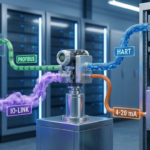
- Sensors: These are the “senses” of your apparatus. They convert physical phenomena (like temperature, pressure, flow rate, pH, or strain) into an electrical signal.
- Signal Conditioning: The raw signals from sensors are often “noisy” or too small to be read accurately. Signal conditioning hardware cleans up, filters, and amplifies these signals so they are clean and reliable.
- Analog-to-Digital Converter (ADC): This is the heart of the DAQ. The ADC takes the clean analog electrical signal and converts it into a digital number (a 1 or 0) that a computer can understand.
- DAQ Software: This is where the magic happens. The software (often part of a PLC or custom HMI) takes the digital data, logs it to a file (like a .csv), displays it on a screen in a human-readable format (like a graph), and can even trigger alarms or control actions based on the data.
When designing custom research apparatus, integrating the DAQ system from the beginning is crucial. A well-designed system, programmed by automation experts, doesn’t just log data—it provides insights. It ensures every important event is captured, time-stamped, and correlated, giving you the high-quality, repeatable data you need to validate your research and make informed decisions.
