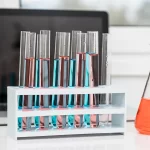
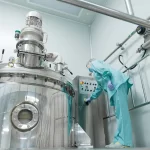
Successfully proving a concept in a 1-liter beaker (TRL 3) is a milestone, but it’s worlds away from a 100-liter pilot plant (TRL 6). The “valley of death” in engineering R&D often lies in this scale-up process. Simply making the equipment bigger doesn’t work.
Here are 5 key challenges researchers face:
- Non-Linear Physics: Heat transfer, mass transfer, and fluid dynamics do not scale linearly. What worked in the lab (e.g., rapid heating) may be impossible in a large vessel, requiring entirely new solutions like internal heating coils or jacketed reactors.
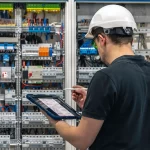
- Process Control: A lab experiment controlled manually by a PhD student needs to become an automated, reliable process. This requires robust process control programming, safety interlocks, and sensor integration to manage the increased risks.
- Material Handling: Moving kilograms of material is vastly different from moving grams. The pilot plant must incorporate safe and efficient handling of raw materials and finished products, often requiring custom pumps, hoppers, and filtration systems.
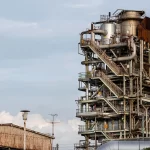
- Safety and Regulation: Risks (like pressure or hazardous chemicals) are magnified at scale. The pilot plant design must incorporate rigorous safety reviews (HAZOP) and be built to industrial standards, which is a massive leap from a lab fume hood.
- Cost and Time: Building a pilot plant is a significant investment. Mistakes in design, like choosing the wrong pump or reactor material, can lead to costly delays and rebuilds.
Partnering with an engineering firm that specializes in pilot plant design is critical. They can anticipate these non-linear challenges, design for scalability, and integrate the necessary automation from the start, ensuring your R&D investment successfully bridges the gap to commercialization.